Named for two Julies
One who looked at the world sideways & one who still does.
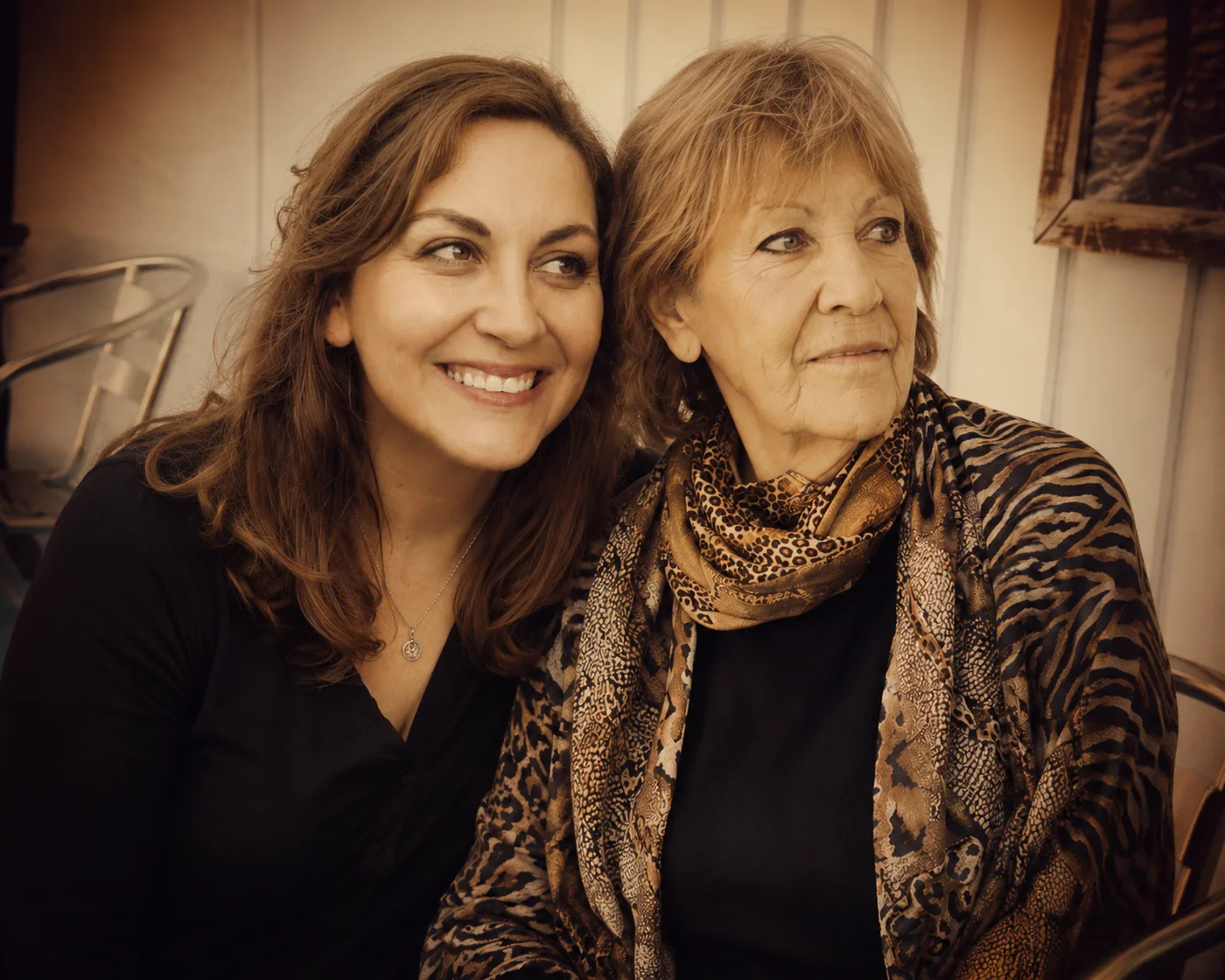
My mother was the first Julie.
She loved bells and beetles, said God must have loved them too, to paint each of the thousands of kinds by hand.
She kept silver cowboy boots, many beautiful earrings, and food for people who didn't have enough.
Scraps of ribbon, kept in a tin.
Wrapping paper smoothed flat to use again.
A broken piece of tile saved, just in case.
She had a way of seeing what something else could be.
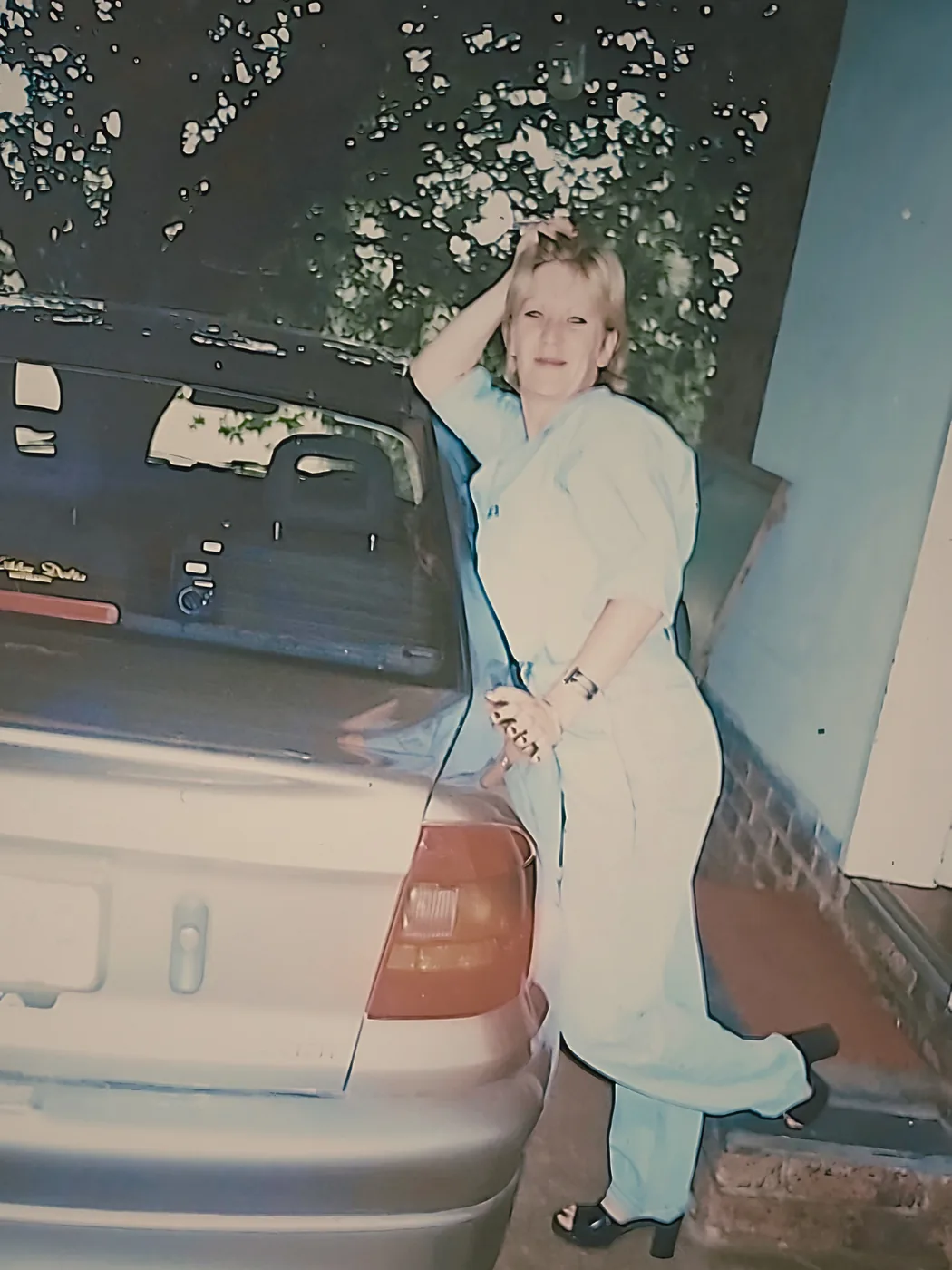
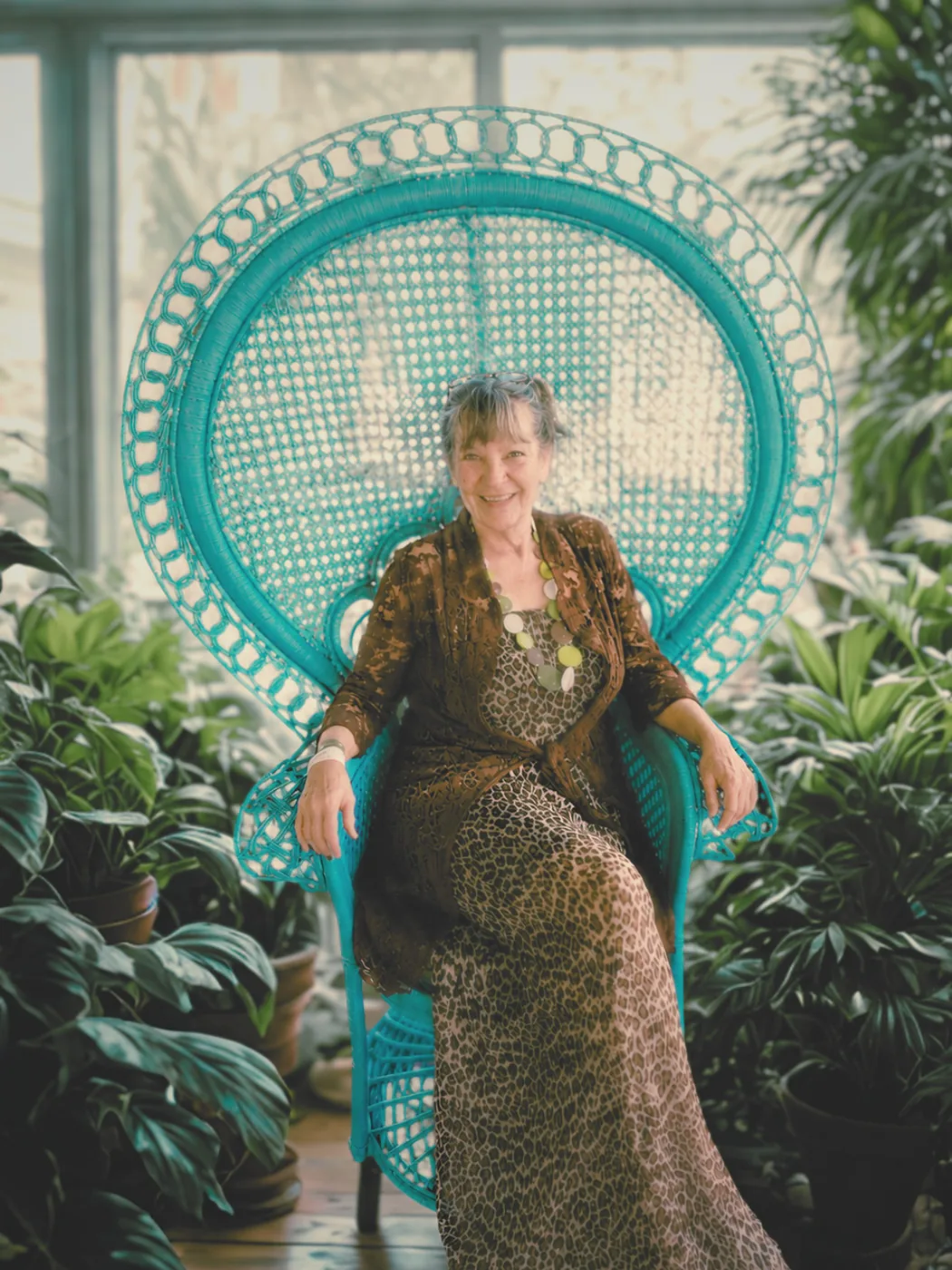
I am the second Julie.
Like the first, I am many things: mother, lover, collector, maker, nibbler, busy body.
I make my delicious treats in my stillroom in the Overstrand.
I make them slowly, with whatever the garden, the market and the hedgerow offer up that week.
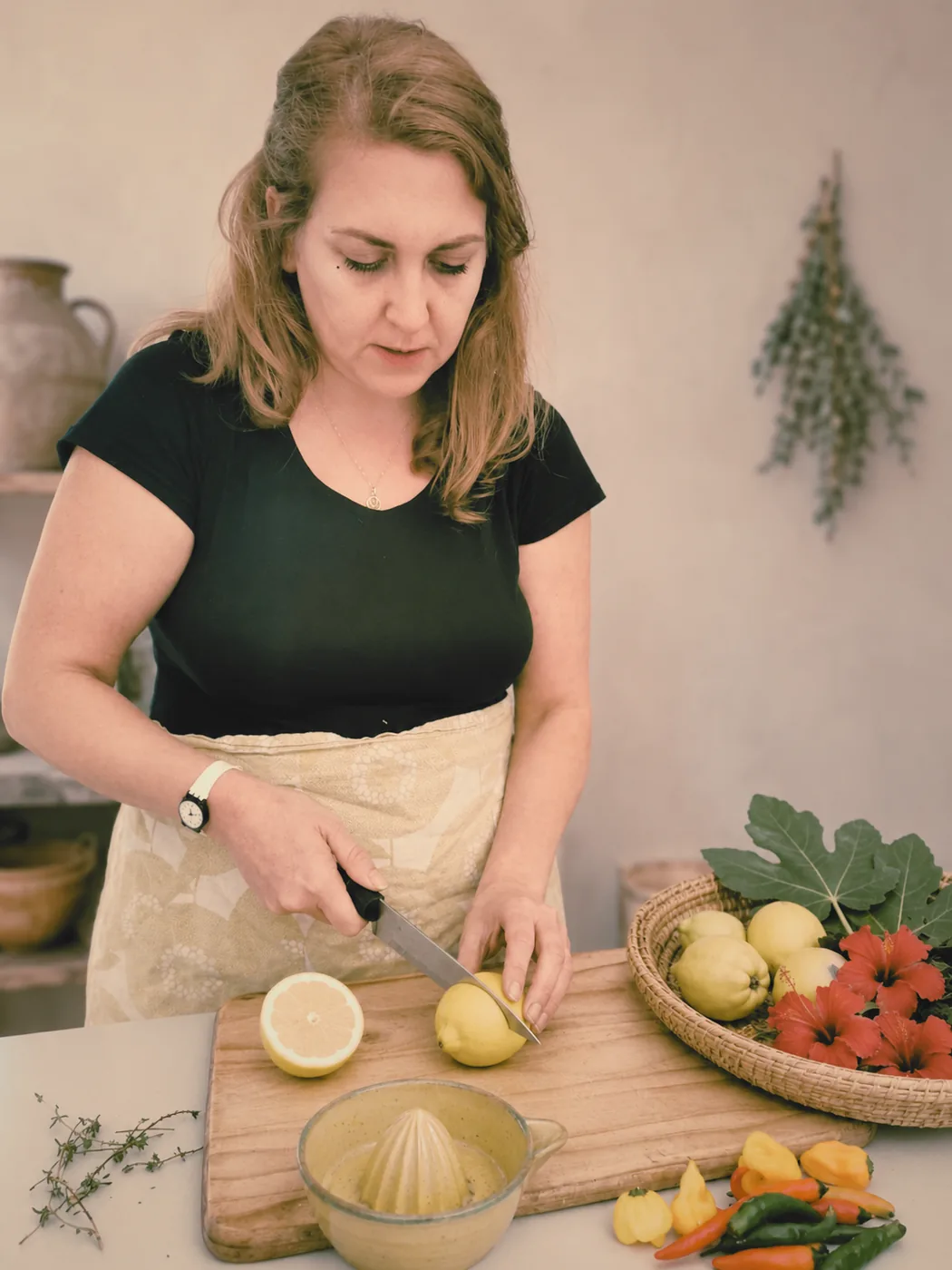
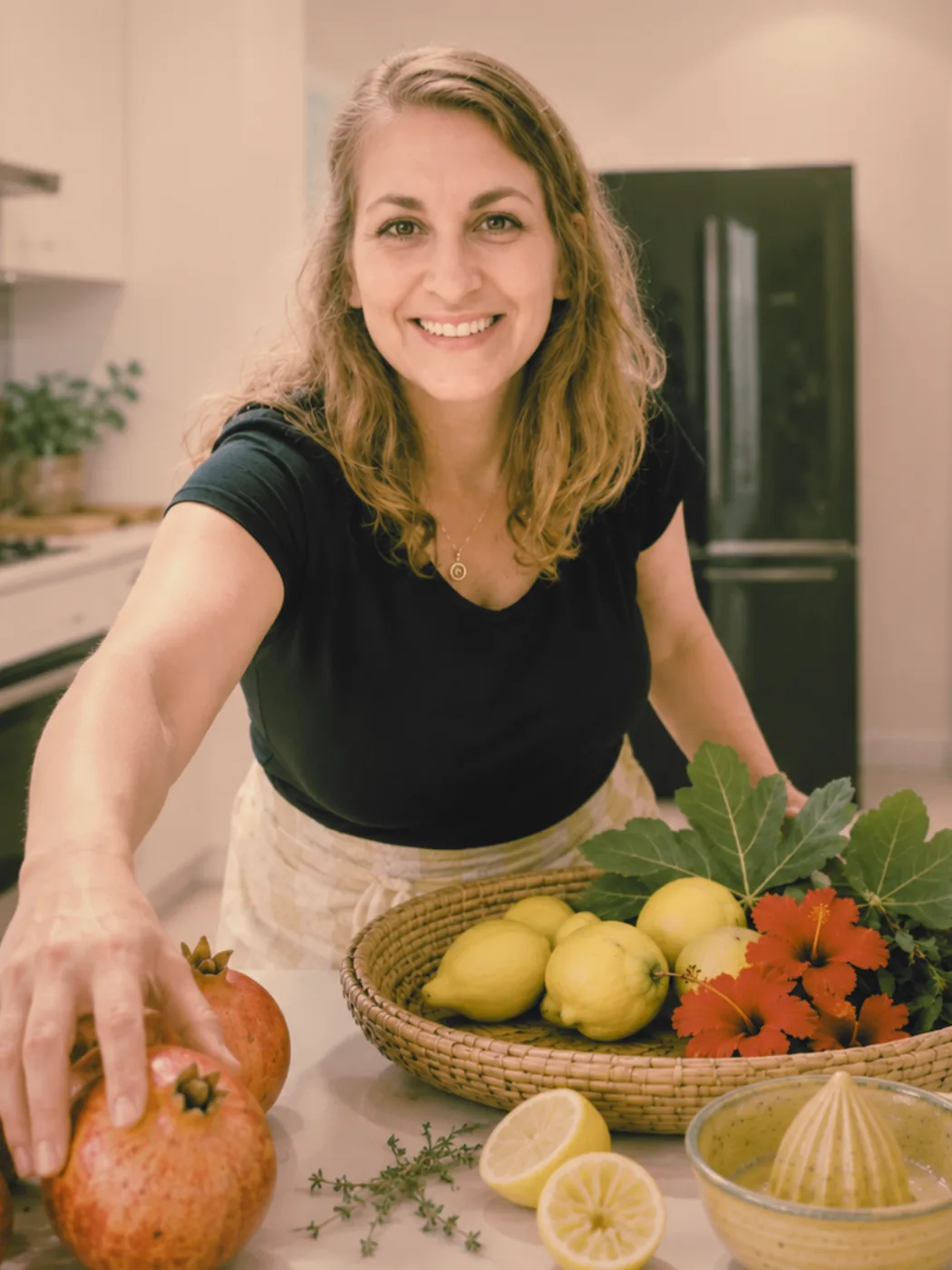
The making is mine.
The looking sideways is hers.
 the 2nd
Wondering what a stillroom is?
It traces back to medieval Europe,
where preserving food through winter was a daily kind of essential.
By the Renaissance, the stillroom had become a place of experimentation:
spirits, cordials, and tinctures, all distilled and decanted by the women of the household.
Originally tucked away in manor houses, in time the room moved closer to the kitchen,
sometimes serving as the place where afternoon tea was poured.
Throughout the centuries, one thing held true: the stillroom is where quiet, seasonal work happens.
Mostly kept, occasionally given, rarely sold.